Camping hygiene essentials are the products, tools, and sanitation systems that keep you clean, healthy, and comfortable when you’re away from traditional bathroom infrastructure.
In Pasadena and across the surrounding wilderness areas, having the right hygiene setup directly determines how long you can stay out, how comfortable your group remains, and how responsibly you leave the land.
From a solid camping toilet for outdoor adventures to biodegradable soap and proper waste disposal, getting hygiene right is what separates a good camping trip from a miserable one.
Why Hygiene Makes or Breaks an Outdoor Trip
The core camping hygiene essentials every camper needs are a portable toilet or waste system, biodegradable soap, hand sanitizer, access to clean water, and a personal care kit suitable for outdoor conditions.
There’s a version of camping that people remember forever, and a version that ends a day early because nobody planned for basic sanitation. Pasadena sits at the gateway to some stunning wilderness, including the Angeles National Forest, but trail access means distance from facilities. That gap between nature and comfort is exactly where hygiene planning earns its keep.
Poor sanitation in the backcountry creates real problems: illness from contaminated water or food prep surfaces, discomfort that ruins morale on multi-day trips, and environmental damage when waste is handled incorrectly.
The ‘Leave No Trace’ principles aren’t suggestions. They’re the framework that keeps access to wild spaces open for everyone.
The Foundation: A Reliable Camping Toilet for Outdoor Adventures
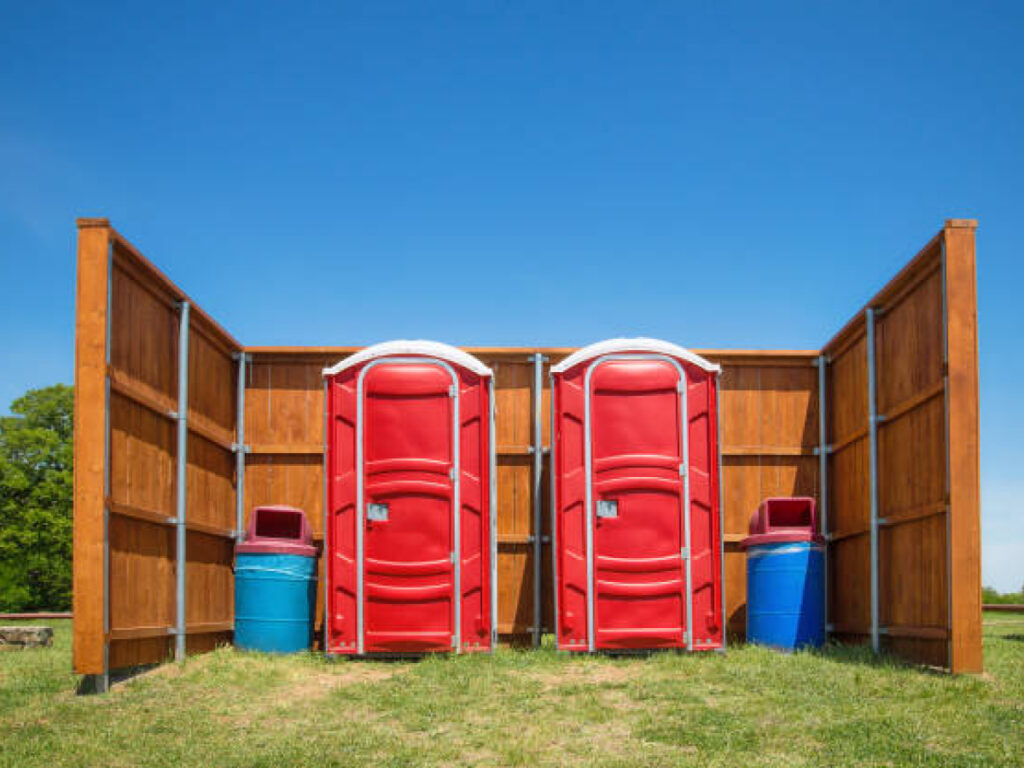
Modern camping toilets range from simple bag-based systems to self-contained portable units with sealed tanks and odor control mechanisms. For group camping near Pasadena, a self-contained portable toilet keeps the campsite clean, protects nearby soil and water sources from contamination, and gives every member of the group a dignified, private option regardless of weather or terrain.
According to the US Portable Sanitation Association and Ken Research’s USA Portable Toilet Rental Market report, the domestic portable sanitation market is valued at $3.5 billion, with outdoor recreation and event use growing as a significant segment alongside construction. Demand spikes consistently in spring and summer, exactly the peak of the Pasadena-area camping season.
IMARC Group global portable toilet rental market report projects the global market to reach $36.1 billion by 2032, growing at a CAGR of 6.39%, reflecting just how universally recognized the need for portable sanitation has become across outdoor, event, and emergency contexts.
Easy Clean Camping Toilet: What That Actually Means
The phrase easy clean camping toilet gets used in a lot of product descriptions, but here’s what it actually means in practice for campers:
Feature | Why It Matters in the Field |
Sealed waste tank | Prevents leaks, odor, and contamination at camp |
Removable inner bucket | Quick emptying and rinsing without tools |
Flush or pour-flush mechanism | More sanitary than open-seat designs |
Lightweight construction | Less pack burden on trails |
Capacity of 5+ gallons | Fewer trips to disposal sites |
A unit that ticks these boxes keeps your campsite clean with minimal effort, which matters a lot after a long day of hiking.
Portable Potty for Camping: Choosing the Right Size
A portable potty for camping isn’t one-size-fits-all. The right choice depends on your group size, trip duration, and how remote your site is.
Setup Type | Best For | Waste Disposal Method |
Bag-based WAG system | Solo or minimalist hikers | Pack-out bags, approved disposal bins |
Compact portable unit | Couples, weekend trips | Campground dump stations |
Mid-size tank toilet | Small family groups | RV dump stations or campground facilities |
Large wheeled unit | Base camp, group sites | Dump station or rental service pump-out |
For most Pasadena-area camping trips, a compact to mid-size portable unit balances convenience, hygiene, and pack weight well.
Building Out Your Full Camping Hygiene Kit
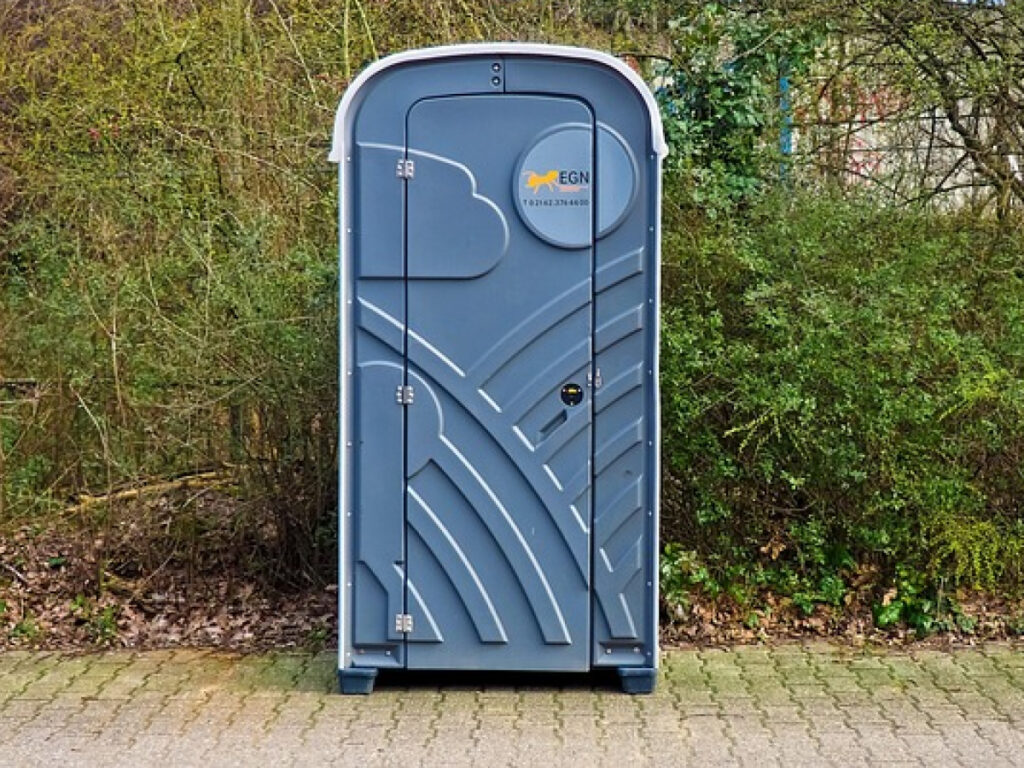
Beyond the portable toilet, a complete camping hygiene essentials kit should include:
- Personal care: Biodegradable soap, waterless shampoo, toothbrush and toothpaste, floss, and a microfiber towel. All products used near water sources should be biodegradable and phosphate-free to protect aquatic ecosystems.
- Hand hygiene: An alcohol-based hand sanitizer and a small hand-washing station (a collapsible basin with a spigot) near the food prep area significantly reduces gastrointestinal illness risk on multi-day trips.
- Water safety: A portable water filter or purification tablets ensure safe drinking and cooking water even when you’re miles from a tap.
- Waste management: Trowel, WAG bags or a portable toilet, biodegradable toilet paper, and a sealable waste bag for pack-out trips round out the sanitation side.
- Skincare and sun protection: Often overlooked in hygiene planning, daily sunscreen, lip balm, and insect repellent are part of maintaining skin integrity in outdoor conditions.
Hygiene Setup Checklist for Pasadena-Area Camping
A well-prepped hygiene kit takes about 15 minutes to pack but saves hours of problem-solving on the trail:
- Portable toilet or WAG bag system confirmed and packed
- At least one biodegradable soap and hand sanitizer
- Water filtration or purification method ready
- Waste disposal plan identified (nearest dump station or pack-out)
- Personal care kit for each group member
- Microfiber towels (one per person minimum)
- Trowel for catholes if needed as backup (6 inches deep, 200 feet from water)
Gear Up With Board Brothers
Getting your camping hygiene essentials right before you hit the trail makes every other part of the trip better. Board Brothers supplies outdoor enthusiasts, campers, and event organizers with reliable portable sanitation solutions, including portable toilets, waste management systems, and on-site sanitation support.
Whether you’re planning a solo overnight in the San Gabriels or coordinating a large group camping event near Pasadena, Board Brothers has the right solution.
Book a consultation or get your order in before your next trip at Board Brothers today.
Frequently Asked Questions
1. What are the most important camping hygiene essentials for beginners?
Start with a portable toilet or WAG bag system, biodegradable soap, hand sanitizer, a water filter, and a microfiber towel. These five items cover the highest-risk hygiene needs on any camping trip.
2. How does a portable potty for camping work?
Most portable potties use a sealed waste tank below the seat. Waste drops into the tank, sometimes with a small flush of water, and is sealed until you empty it at an approved dump station or campground facility.
3. Are easy clean camping toilets actually easier to maintain than traditional latrines?
Yes. A sealed portable toilet with a removable tank is far easier to manage than digging and maintaining a latrine, especially for group camping. There’s no site preparation, no risk of slope runoff, and no lingering odor at camp.
4. Can I use a camping toilet near water sources or trails?
A properly sealed portable toilet can be placed in or near a campsite safely. Waste should always be disposed of at an approved station, never emptied into the ground near water sources, consistent with Leave No Trace principles.
5. How do I dispose of waste from a portable camping toilet?
Empty the waste tank at a designated RV or campground dump station. Most Pasadena-area campgrounds and many gas stations along major routes have dump stations. Never empty waste into regular trash bins, pit toilets, or natural water sources.
6. How many people can one camping toilet serve per trip?
A standard 5-gallon camping toilet typically serves 2 to 3 people for a 3-day weekend trip before requiring emptying. Larger groups should either bring a higher-capacity unit or plan for a mid-trip dump station stop.