
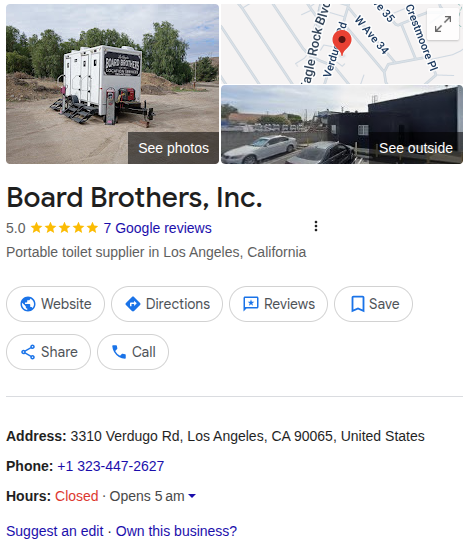
luxury restroom trailers
Mobile toilet rental is one of the most critical, legally required, and productivity-protecting services a construction project manager can arrange before workers arrive on site. Under OSHA standard 29 CFR 1926.51, every active construction site must have accessible, sanitary restroom facilities based on crew size.
Failing to arrange proper mobile toilet rental does not just risk fines. It disrupts schedules, affects worker health, and signals to your crew that basic comfort is not a priority.
Whether you are managing a small residential build or a large commercial development, mobile toilet rental is a non-negotiable part of responsible site management.
Why is Sanitation Compliance Non-Negotiable on Job Sites?
The numbers here are stark.
Maximum OSHA penalties reached $16,550 per violation in 2025, with willful or repeated violations triggering fines up to $165,514, according to Prime Dumpster’s 2025 OSHA Compliance Guide.
That is a cost no site manager wants to explain to a project owner.
Beyond fines, inadequate sanitation means workers lose time leaving the site to find restrooms, which compounds across a full crew over days and weeks.
- Productivity suffers.
- Morale drops.
- Absenteeism from hygiene-related illness increases.
The U.S. portable toilet rental market is estimated at roughly $3.3 billion to $3.4 billion as of 2023 to 2025, and is projected to reach $5.35 billion by 2030 at a 6.9% CAGR, according to Porta Potty Calculator’s 2026 Industry Statistics.
This growth directly reflects how the construction industry demand for reliable mobile toilet rental and temporary sanitation rental services continues to expand year over year.
How Many Units Does a Construction Site Actually Need?
Getting the unit count right is the first practical decision any site manager faces when arranging mobile toilet rental. OSHA and ANSI provide clear guidance:
Crew Size | Minimum Portable Toilets Required |
Up to 20 workers | 1 unit |
21 to 199 workers | 1 toilet + 1 urinal per 40 workers |
200 or more workers | 1 toilet + 1 urinal per 50 workers |
Most experienced contractors go slightly above the OSHA minimum. Extra units stay cleaner between service visits, reduce wait times during peak periods, and remove the risk of a single unit going out of service and leaving you below the legal requirement.
There is also a handwashing requirement. OSHA mandates washing facilities at every construction site. Hand sanitizer alone is not acceptable when running water is available. Plan for one handwashing station for every cluster of toilets.
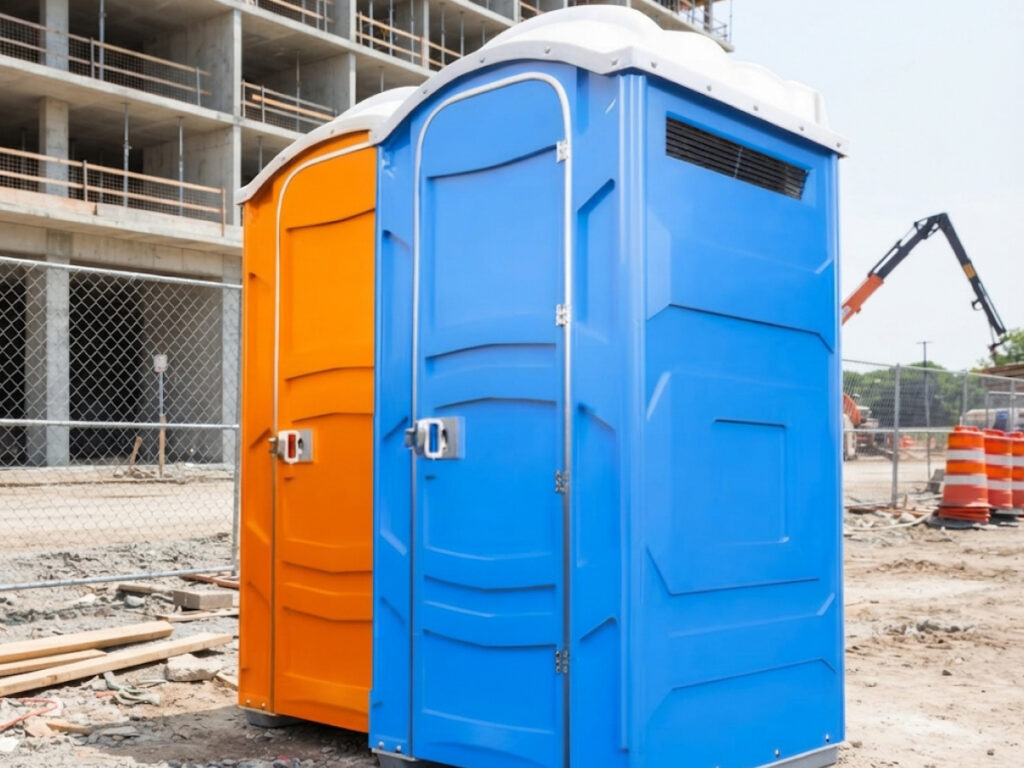
What are the Differences Between Standard Units and Luxury Restroom Trailer Rentals?
Mobile toilet rental covers a wide range of products. Choosing the right unit type for your project makes a real difference in worker satisfaction and site presentation.
Unit Type | Best For | Key Features |
Standard portable toilet | General construction, multi-week builds | Self-contained, no water hookup, durable HDPE construction |
ADA-accessible unit | Any site with 20+ units or workers with disabilities | Wider door, grab bars, compliant interior |
Luxury restroom trailer rental | High-profile builds, client-facing sites, longer projects | Flushing toilets, running water, climate control, finished interior |
Handwashing station | All sites | Soap, running water, paper towel dispensers |
A luxury restroom trailer rental is not just for events. Construction sites with executive staff, client walk-throughs, or workers on extended projects benefit enormously from the improved hygiene and morale that a premium temporary sanitation rental provides.
What Should Construction Managers Look for in a Mobile Toilet Rental Provider?
Not all mobile toilet rental providers are equal. The right partner handles more than just delivery. Here is what to evaluate:
- OSHA knowledge: Your provider should understand 29 CFR 1926.51 and the ANSI Z4.3-2024 standard and confirm your unit count meets both.
- Service reliability: Weekly servicing is the OSHA minimum. High-use sites need more. Confirm the service schedule in writing.
- Unit condition: Durable HDPE construction, 70-plus gallon tanks, and reinforced frames are standard specs for construction-grade units.
- ADA compliance: Sites with 20 or more units must include at least one ADA-compliant unit by law.
- Range of products: If your project grows or client requirements change, access to luxury restroom trailer rental options under the same provider simplifies logistics.
- Response time: Emergency service calls happen. A provider reachable after hours protects your compliance when a unit needs unexpected attention.
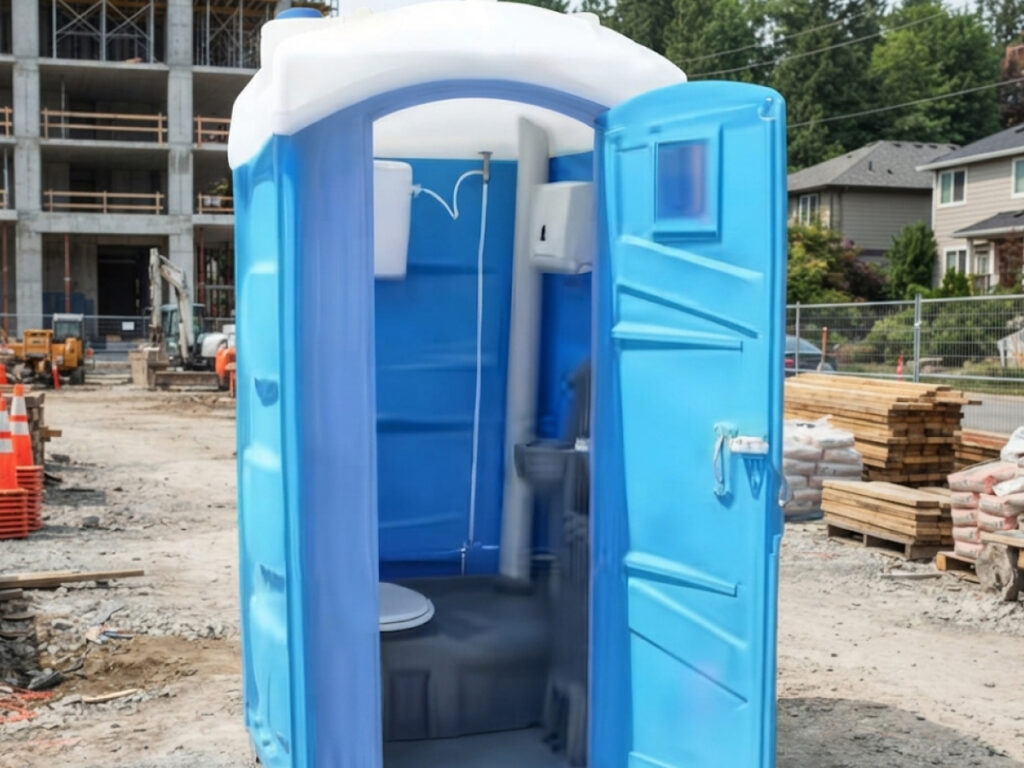
How Does Mobile Toilet Rental Affect Productivity on Site?
The connection between proper sanitation and worker productivity is direct and well-documented. When workers do not have accessible, clean restroom facilities:
- Time is lost to off-site bathroom trips
- Dehydration increases as workers reduce fluid intake to avoid the issue
- Hygiene-related illness spreads faster
- Worker morale deteriorates visibly
Proper mobile toilet rental removes all of these problems. Clean, well-placed units near active work zones mean workers stay on site, stay hydrated, and stay productive. That return on a monthly rental cost is straightforward to calculate.
Book Your Construction Site Mobile Toilet Rental with Board Brothers
If you are managing a construction project and need reliable, OSHA-compliant mobile toilet rental that covers everything from standard units to luxury restroom trailer rental options, Board Brothers delivers professional temporary sanitation rental services built specifically for construction and commercial projects.
Their team helps you calculate the right unit count, confirms placement for OSHA compliance, and maintains a service schedule that keeps your site clean and your inspection records clean.
Contact Board Brothers today to get a fast, no-obligation quote for mobile toilet rental at your construction site.
Frequently Asked Questions
1. How many portable toilets does OSHA require on a construction site?
OSHA requires a minimum of one toilet for up to 20 workers. For crews of 21 to 199, the standard is one toilet and one urinal per 40 workers, scaling to one per 50 for sites with 200 or more workers.
2. How often do construction portable toilets need to be serviced?
OSHA mandates weekly servicing as a minimum. High-traffic sites with large crews benefit from more frequent service every two to three days to maintain sanitary conditions and avoid violations.
3. Do construction sites need ADA-accessible portable toilets?
Yes. Any site deploying 20 or more portable toilets must include at least one ADA-compliant unit. Sites with workers who have disabilities must provide accessible facilities regardless of total unit count.
4. What is included in a standard mobile toilet rental service?
A standard rental includes delivery, placement, weekly waste removal and cleaning, toilet paper restocking, and final pickup. Confirm exactly what is included in each service visit before signing an agreement.
5. How is a luxury restroom trailer rental different from a standard portable toilet?
A luxury restroom trailer includes flushing toilets, sinks with running water, climate control, interior lighting, and finished interiors. Standard portable toilets are self-contained holding tank units designed for function rather than comfort.
6. Can mobile toilet rental be arranged on short notice for construction sites?
Most providers can accommodate short-notice requests for standard units. Luxury restroom trailers and large multi-unit orders benefit from booking a week or two ahead to confirm availability and delivery timing.
7. What happens if a portable toilet is damaged or goes out of service on my site?
Report it to your provider immediately. A unit out of service does not count toward your OSHA minimum, and leaving your crew below the required count creates compliance exposure. Reliable providers offer emergency service calls.