
Construction in Los Angeles moves fast. Deadlines are tight, teams are large, and sites are constantly exposed to dust, debris, and heavy equipment. In this environment, maintaining hygiene is not optional. A portable handwash solution ensures workers have immediate access to clean water, reducing health risks and keeping operations compliant with safety standards.
Across Los Angeles, contractors are increasingly relying on a portable hygiene station to maintain site cleanliness, improve worker safety, and avoid costly disruptions. It is a simple addition that delivers measurable impact.
What Is a Portable Handwash Station?
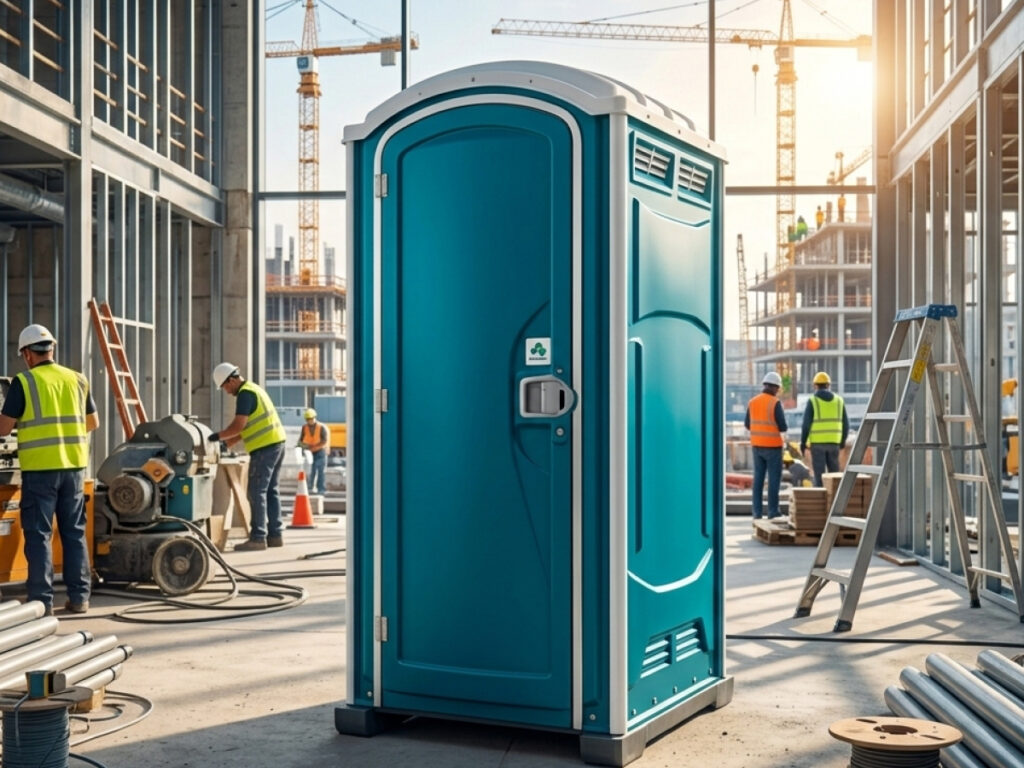
A portable hygiene station is a self-contained system designed to provide handwashing facilities in areas without direct plumbing access. These units are built for durability, mobility, and ease of use in demanding environments like construction sites.
A typical unit includes:
- Freshwater and wastewater tanks
- Soap dispensers and drying options
- Foot-pump or touchless operation
- Weather-resistant construction
Whether it is a compact freestanding hand wash unit or a larger portable sanitation station, these setups provide consistent access to hygiene wherever work is happening.
Why Portable Handwash Stations Are Essential on Construction Sites
1. Compliance with Health and Safety Standards
Construction sites are required to provide accessible sanitation facilities. A portable handwash unit ensures compliance without requiring permanent infrastructure.
More importantly, it supports daily hygiene practices that reduce exposure to contaminants from materials, tools, and shared surfaces.
2. Reducing the Spread of Contamination
Construction environments involve constant interaction between workers, equipment, and materials. Without proper sanitation, germs can spread quickly.
A mobile sink station allows workers to clean their hands regularly, especially before meals or after handling equipment. This reduces contamination risks and helps maintain a healthier workforce.
3. Supporting Site Efficiency
Time lost walking off-site for basic hygiene adds up quickly. With a portable station placed strategically, workers can maintain cleanliness without disrupting workflow.
Efficient sites are not just about speed. They are about removing friction from daily operations.
Types of Portable Hygiene Solutions for Construction Sites
Different projects require different sanitation setups. The right choice depends on workforce size, site layout, and duration.
1. Portable Handwash Units
A portable handwash unit is compact and efficient. It is ideal for smaller job sites or areas with limited space.
2. Freestanding Hand Wash Units
A freestanding hand wash unit provides higher capacity and stability. These units are suitable for sites with consistent worker traffic throughout the day.
3. Mobile Sink Stations
A mobile station offers flexibility. It can be repositioned across the site, ensuring that hygiene access remains convenient as work zones shift.
4. Portable Sanitation Stations
A portable station is designed for high-demand environments. These setups support multiple users and are often used on large-scale construction projects.
Comparison of Portable Hygiene Solutions
Type | Best For | Key Features | Mobility |
Portable Handwash Unit | Small sites | Compact, basic functionality | High |
Freestanding Hand Wash Module | Medium sites | Stable, higher capacity | Moderate |
Mobile Sink Station | Dynamic worksites | Easy relocation, flexible placement | Very High |
Portable Sanitation Station | Large projects | Multi-user, high efficiency | Moderate |
Choosing the right portable hygiene station setup ensures that hygiene does not become a bottleneck on-site.
Key Benefits of Installing Portable Hygiene Stations
1. Reliable Hygiene Access
It ensures that workers always have access to sanitation, regardless of site conditions.
2. Improved Site Organization
Clearly designated hygiene areas reduce unnecessary movement and improve overall workflow.
3. Reduced Downtime
Health-related disruptions can delay projects. A mobile station helps minimize these risks by supporting consistent hygiene practices.
4. Durable, Worksite-Ready Design
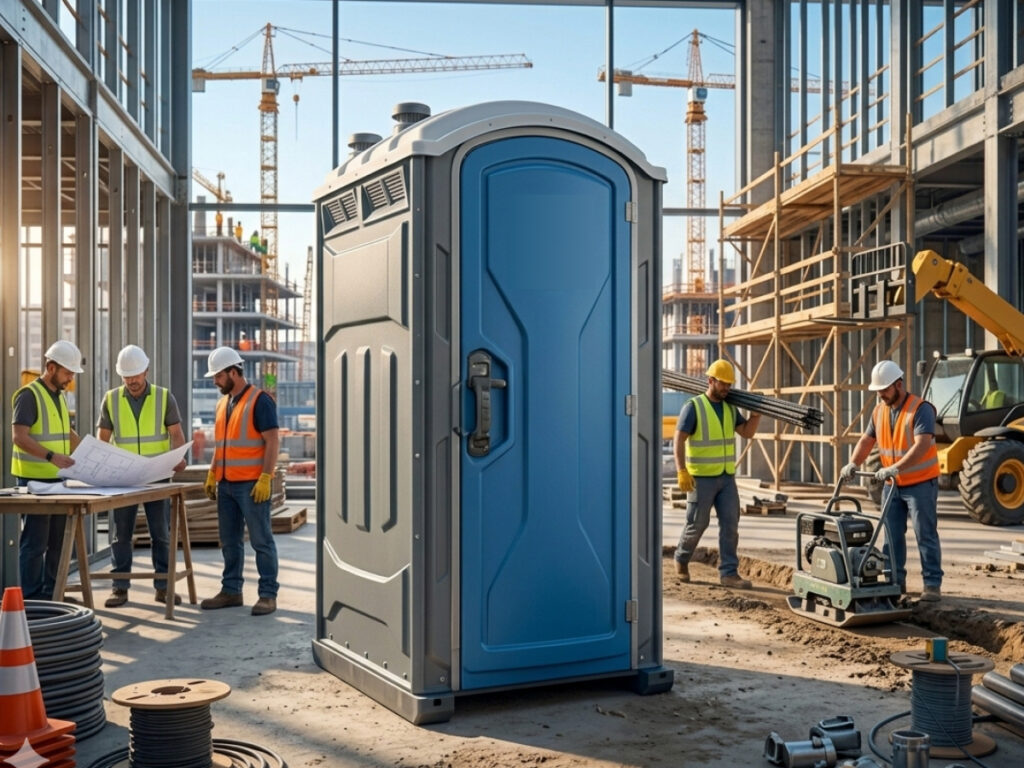
Construction environments demand equipment that can withstand heavy use. High-quality units, like those commonly used across Los Angeles sites, are built to handle outdoor conditions and continuous usage.
Why Los Angeles Construction Sites Require Portable Sanitation Stations
Los Angeles construction sites operate in dense, high-activity environments where hygiene cannot be overlooked. Dust, debris, and environmental exposure increase the risk of contamination.
Additionally, many sites lack direct plumbing access. This makes solutions like freestanding hand-wash stations and portable sanitation units essential.
Modern job sites are shifting toward structured sanitation systems rather than temporary fixes. Reliable setups ensure that hygiene remains consistent, not reactive.
Maintenance and Servicing of Portable Hygiene Stations
A hygiene station is only as effective as its maintenance.
Typical servicing includes the following:
- Refilling clean water tanks
- Emptying wastewater tanks
- Restocking soap and paper supplies
- Cleaning and sanitizing the unit
Well-managed setups ensure that every portable handwash unit remains functional and hygienic throughout the project lifecycle.
Choosing the Right Portable Setup
Every construction site has unique requirements. Selecting the right solution depends on:
- Number of workers
- Duration of the project
- Site layout
- Frequency of usage
Larger projects often require multiple portable sanitation setups, while smaller sites can operate efficiently with a few freestanding units.
Working with experienced providers ensures that sanitation is planned, not improvised.
A Structured Approach to Construction Site Hygiene
Construction sites that operate efficiently treat hygiene as part of their system, not an afterthought.
Providers like Board Brothers focus on delivering portable handwash and sanitation solutions that are:
- Easy to deploy
- Built for heavy usage
- Designed for real-world site conditions
- Supported with reliable servicing
This approach ensures that hygiene integrates seamlessly into daily operations.
Final Thoughts
Maintaining hygiene on construction sites is not just about compliance. It is about protecting workers, maintaining productivity, and ensuring projects stay on track.
A portable handwash solution provides immediate, practical value. From portable hygiene stations to mobile sinks, these systems help create cleaner, safer, and more efficient job sites.
In a fast-moving construction environment like Los Angeles, the sites that perform best are the ones that plan for everything, including hygiene.
Frequently Asked Questions
1. What is a portable handwash unit?
A portable handwash unit is a self-contained system that provides handwashing facilities without requiring plumbing.
2. Why is a portable hygiene station important on construction sites?
It helps maintain cleanliness, reduce contamination, and meet safety regulations.
3. How does a mobile sink station work?
A mobile sink uses built-in water tanks and pumps to provide running water in remote locations.
4. How many units are needed on a construction site?
The number depends on workforce size and site requirements.
5. What is a portable sanitation station?
A portable station is a larger setup designed to serve multiple users efficiently.
6. Are freestanding hand wash units durable?
Yes. A freestanding hand wash unit is designed for heavy-duty outdoor use.
7. Can hygiene stations be moved across the site?
Yes. Many units, especially mobile sink stations, are designed for easy relocation.
8. Are hygiene stations required on construction sites in Los Angeles?
Yes. Most sites must provide accessible sanitation to meet safety and health standards.