
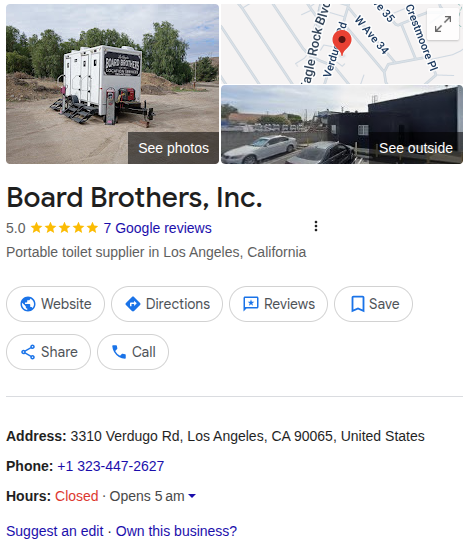
luxury restroom trailers
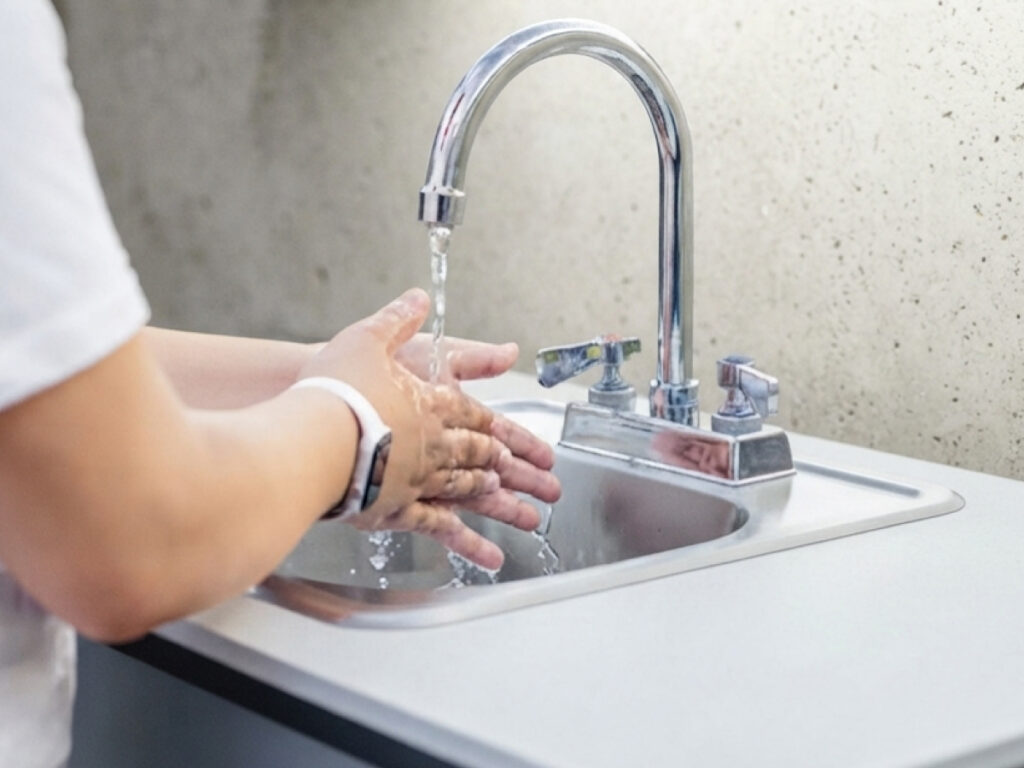
A portable hand washing station is a self-contained, freestanding unit that provides running water, soap dispensing, and either paper towels or a drying mechanism at locations where permanent plumbing does not exist.
Portable hand washing stations are used on construction sites, at outdoor events, in food service settings, at disaster relief deployments, and anywhere that maintaining hand hygiene without permanent infrastructure is required.
They operate through either a gravity-fed water tank system or a pressurized supply, and they drain waste water into a sealed holding tank that is emptied on a regular service schedule.
Why are Portable Hand Washing Stations Legally Required in Many Settings?
The short answer is OSHA. The longer answer involves public health, food safety regulations, and the basic duty of care.
According to OSHA Standard 29 CFR 1926.51, every active construction site with available on-site water must provide running water handwashing facilities for workers, and hand sanitizer alone is not an acceptable substitute when water is available. Violations can result in fines up to $16,550 per citation in 2025, with repeated violations potentially reaching $165,514.
The U.S. portable sanitation market, which encompasses portable hand washing stations alongside toilet units, reached $3.3 billion in annual revenue in 2024 and is projected to reach $5.35 billion by 2030, according to Porta Potty Calculator’s 2026 Industry Statistics, reflecting sustained regulatory and public health-driven demand.
For event organizers, food vendors, and construction managers alike, a portable hand washing station is not a luxury add-on. It is a compliance item with real financial consequences when absent.
How Does a Portable Hand Washing Station Actually Work?
Understanding the mechanics helps you specify the right unit and plan servicing correctly.
- Water supply system
Most units use one of two water supply approaches. Gravity-fed systems use an elevated tank that releases water when a foot pump or lever is activated. Pressurized systems use a pump to deliver water under pressure, providing a more consistent flow similar to a fixed sink. Pressurized units are typically preferred for higher-use applications.
- Soap dispensing
Units include either a liquid soap dispenser or a foam soap dispenser built into the unit. Foam soap dispensers tend to use less soap per use and maintain a cleaner dispensing area, making them popular for high-use outdoor settings.
- Drainage
Waste water drains into a sealed holding tank beneath the unit. This tank is emptied during regular service visits. The sealed design prevents ground contamination and odor issues when the unit is properly maintained.
- Drying
Most outdoor hand washing station rental units include paper towel dispensers. Some premium units include air-drying elements, though paper towels remain the standard for portability and low-maintenance operation in field conditions.
What are the Different Types of Portable Hand Washing Stations?
Unit Type | Features | Best Application |
Basic foot-pump station | Gravity tank, soap dispenser, paper towel, waste tank | Casual events, lower-use settings |
Heavy-duty pressurized unit | Pressurized water, larger tank capacity, faster flow | Construction sites, high-traffic events |
Two-station unit | Two side-by-side sinks, larger combined tank | Events, food courts, higher throughput |
ADA-accessible station | Lower height, wider clearance, lever operation | Required at public events, ADA compliance |
Combined toilet/handwashing unit | Portable toilet with integrated sink | Compact all-in-one solution for space-limited sites |
Why are Portable Hand Washing Stations Essential for Construction Sites?
Construction hand washing station rental is driven by a clear regulatory framework. Workers in construction environments encounter materials that require proper hand washing before eating, drinking, or handling personal items.
OSHA explicitly requires:
- Running water when it is available on the job site
- Soap dispensers and paper towels or air blowers when soap and water are provided
- Workers near hazardous chemicals need a washing facility close to their actual work stations
- Hand sanitizer is not an acceptable substitute when running water is available
The practical implication is that any construction site with a water supply must have a portable hand washing station or equivalent plumbed facility. The most practical and cost-effective compliance solution for sites without permanent infrastructure is always a rental unit.
A general rule of thumb for construction sites is one handwashing station for every cluster of four portable toilets, though higher-risk work types involving chemicals or hazardous materials require stations closer to the specific work areas.
How Do Outdoor Hand Washing Stations Work at Events?
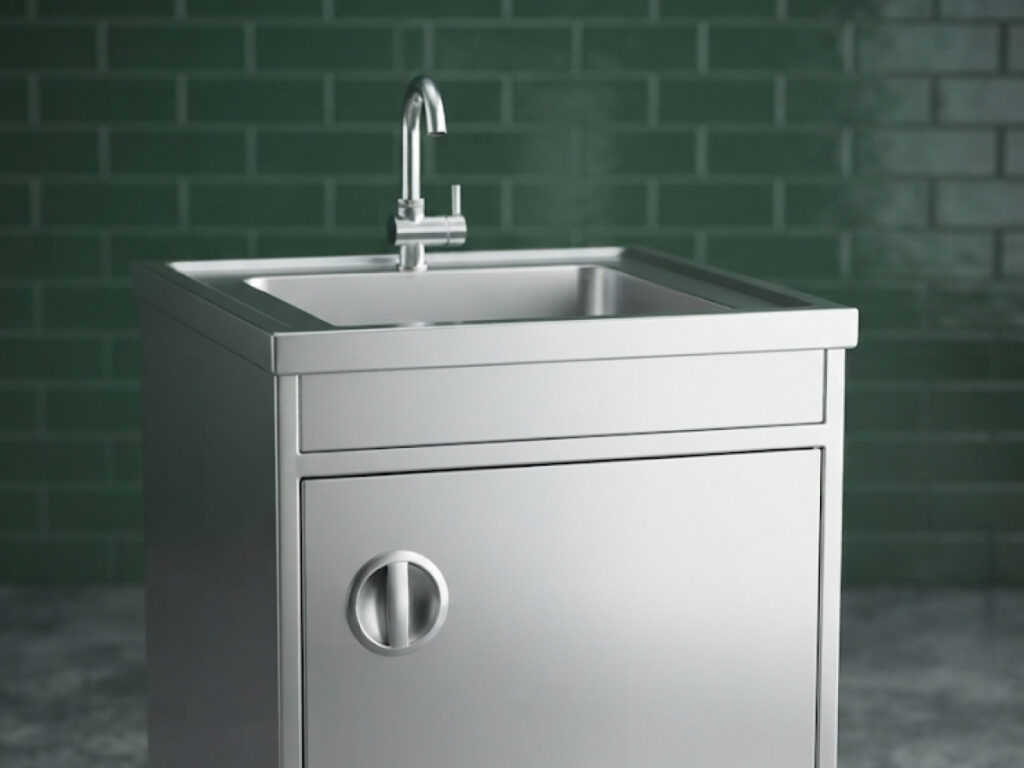
Outdoor hand washing station rental for events serves a different but equally important public health function. Food-serving events, children’s activities, and any gathering with high hand-contact surfaces need accessible handwashing beyond what bathroom sink access alone can provide.
Event-specific considerations for portable hand washing stations include:
- Placement near food service areas to enable handwashing before and after food handling
- Placement adjacent to portable toilet clusters so guests can wash hands immediately after restroom use
- Child-height units for events with significant children’s programming
- Sufficient units per food vendor to comply with local health department event permit requirements
Many California county health departments require a minimum of one handwashing station per food booth at permitted public events, making outdoor hand washing station rental a permit compliance item, not just a hygiene consideration.
What Are the Servicing Requirements for Portable Hygiene Stations?
Portable hygiene stations for job sites require regular servicing to maintain function and hygiene standards. A standard service visit includes:
- Fresh water tank refill
- Waste water tank pump-out
- Soap and paper towel restocking
- Interior and exterior surface wipe-down
- Inspection of pump and dispensing mechanisms
- Report of any damage or maintenance needs
For construction sites, weekly servicing aligns with OSHA’s minimum standard for portable sanitation maintenance. For high-use events or food service deployments, service may be needed daily or even within the event itself.
Book Your Portable Hand Washing Station Rental with Board Brothers
Board Brothers provides portable hand washing station rentals for construction sites, outdoor events, food festivals, and any application requiring compliant, clean handwashing access without permanent plumbing. Their construction hand washing station rental service includes delivery, regular servicing, and full compliance with OSHA site requirements.
Get a quote today.
Frequently Asked Questions
1. How does a portable hand washing station provide running water without plumbing?
Most units use a self-contained pressurized or gravity-fed fresh water tank that releases water through a foot pump, lever, or sensor. Waste water drains into a sealed holding tank beneath the unit, which is emptied during regular service visits.
2. How often does a portable hand washing station need to be serviced?
For construction sites, weekly servicing is the OSHA minimum standard. High-traffic events, food service deployments, or sites in hot climates may need more frequent service to ensure continuous water supply and sanitary conditions.
3. Is a portable hand washing station required on construction sites?
Yes when running water is available on site. OSHA standard 29 CFR 1926.51 requires running water handwashing facilities, and hand sanitizer is explicitly not an acceptable substitute when a water supply is present on the site.
4. How many portable hand washing stations do I need for a construction site?
A general industry guideline is one handwashing station for every cluster of four portable toilets. Workers in areas involving hazardous materials or chemicals require a station within close proximity to their specific work area regardless of the overall site ratio.
5. Can outdoor hand washing station rentals meet food service health department requirements?
Yes. Most outdoor hand washing station rental units meet local health department requirements for food service operations at permitted outdoor events when properly placed and serviced. Confirm specific county requirements with your rental provider before your event permit application.
6. What is the difference between a hand sanitizer dispenser and a portable hand washing station?
A hand sanitizer dispenser provides alcohol-based gel without water. A portable hand washing station provides running water, soap, and drying materials. OSHA requires the latter when water is available on construction sites, and public health guidelines generally recommend soap-and-water washing over hand sanitizer for food-handling situations.
7. Are ADA-accessible portable hand washing stations available?
Yes. ADA-compliant units with lower sink height, wider clearance, and lever-operated controls are available for public events and sites where accessibility compliance is required.